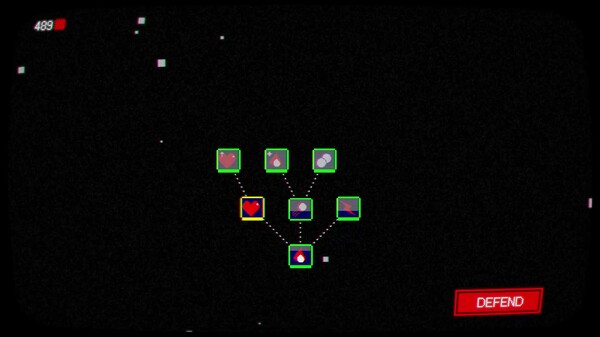
Bit breaker tips and tricks
General Tips

Source: Steam
Bit Breaker is a short brick-breaking incremental bullet hell. You collect resources to upgrade your balls and fight back against the nodes taking over humanity. The game is small in scope, so the habits you build in your first few runs carry into every later run. Focus on learning the loop instead of grinding the same opening over and over.
Upgrade early, not rarely. Each run feeds the next, so spend resources as soon as a meaningful upgrade is available. Hoarding does not increase your damage output.
Use Save Anytime. The game lets you save at any moment, so make a save before a risky push or a tough node fight. This is a single-player game with no co-op or multiplayer, so there is no one coming to bail you out if you lose a run.
Watch your Steam Stats. Bit Breaker tracks stats for your runs, and those numbers show which upgrade paths actually pay off. Compare runs instead of guessing.
Treat it as a focused strategy challenge. At the $2.39 price point, think of Bit Breaker as a weekend arcade challenge. The strategy genre label fits because upgrade order matters more than raw playtime.
If you feel stuck early, reset and try a different ball upgrade order. A short game rewards fast experimentation more than stubborn repetition.
Combat and Exploration Tips
The brick-breaking core is also a bullet hell, so you are juggling two jobs at once: keep your balls breaking bricks and keep incoming fire away from your paddle. Positioning wins more fights than raw damage.
Keep balls high. Balls that spend more time above the paddle are still damaging nodes, while balls hovering near the bottom are a sign you are about to take a hit.
Move with intent, not panic. Bit Breaker is playable without timed input, so you never have to react on a strict clock. Read the spread of enemy fire and take the safe path instead of the fastest one.
Target the node that is about to fire. Some nodes telegraph their shots. Move your fire to the most dangerous enemy first instead of the easiest one.
Try a controller if the keyboard feels twitchy. The game has partial controller support, so you can map movement to a pad and keep your aim more relaxed.
Exploration in Bit Breaker is not about hidden rooms. It is about learning which brick arrangements produce resource clusters and which nodes deserve priority when the screen gets busy.
If you hang from above, you practically become invulnerable.

Economy and Progression Tips
Resources are the backbone of the incremental side of Bit Breaker. Every brick you break feeds the next upgrade, so your economy decisions are really combat decisions.
Collect resources before they vanish. Loose resources near the bottom of the playfield are a common reason runs collapse. Grab them when it is safe, then reposition before the next wave.
Buy the cheapest useful upgrade first. Incremental games reward snowballing, and Bit Breaker is no exception. A string of cheap upgrades beats one expensive upgrade if the cheap ones increase your collection rate.
Use achievements as a roadmap. The game has Steam achievements, and many of them point to specific upgrade or clear goals you might otherwise skip. Let them guide your run order.
Accessibility and Settings Tips
Bit Breaker ships with several comfort options, and setting them up before your first real run makes the bullet hell far more readable.
Adjust Camera Comfort first. The Camera Comfort options reduce motion-heavy views, which helps when the screen fills with projectiles.
Set Custom Volume Controls. The game supports custom volume controls, so you can lower bombardment sound effects while keeping the audio cues you actually rely on.
Use the no-timed-input pace. Since Bit Breaker is playable without timed input, you can play at whatever speed works for you. This is a huge help on late-node fights.
Save Anytime also helps accessibility. Take breaks whenever you need. The game never forces you to push through an uncomfortable session.
Demo-to-Full-Game Tips
Bit Breaker has a demo on Steam, and it is a smart way to test the game before the full release. The full game launches August 9, 2026 at $2.39, so the demo is also a chance to practice upgrade priorities in advance.
Check your hardware against the demo. The minimum specs ask for Windows 10, an Intel Core 3 processor, 4 GB RAM, and Intel HD graphics, so even low-end laptops can handle it. The game only needs 100 MB of free space.
Use the demo to test controls. Try both mouse and controller settings during the demo so your first full-game run starts clean.
Practice the opening economy. The demo's early bricks teach you the resource pacing. Repeating that opening before the full game makes your release-day run smoother.
If you finish the demo and want more of the same run structure, the full game keeps the same core loop with the complete campaign, so the skills you build in the demo carry straight into the full release.
Frequently Asked Questions
How should I spend my resources in Bit Breaker?
Spend them early and often instead of hoarding. Buy the cheapest useful upgrade first so you can snowball into better collection rates and damage, since each run feeds into the next one.
Is there a way to avoid losing progress on a tough fight?
Yes, use the Save Anytime feature. Make a save before a risky push or a tough node fight so you can reload and try again instead of losing the whole run.
What is the best strategy during the bullet-hell combat?
Position your paddle with intent, not panic. Keep your balls high so they keep damaging nodes, read enemy fire patterns, and prioritize the node that is about to shoot instead of the easiest target.
Why do resources near the bottom matter so much?
Loose resources near the bottom vanish and are a common way runs collapse. Collect them when it is safe, then reposition before the next wave so you don't lose that income.
Should I replay the same opening over and over?
No. Bit Breaker is short, so reset and try a different upgrade order if you are stuck. Fast experimentation with build orders is rewarded more than stubborn repetition.
Does the game track which strategies work?
Yes, check your run statistics. Those numbers show which upgrade paths actually pay off, so compare your runs instead of guessing what worked.
Can I use a controller to make aiming easier?
The game has partial controller support. If the keyboard feels twitchy, map movement to a controller pad for more relaxed and steady positioning.
Are there hidden rooms to find?
No, exploration is about learning brick arrangements and resource clusters, not hidden rooms. Pay attention to which arrangements give you the most resources and which nodes deserve priority.